
Apple Vision Pro vs Meta Quest 3: Spatial Computing vs Mixed Reality
Both headsets represent the vanguard of consumer spatial computing, but their core philosophies could not be more divergent. Apple prioritizes absolute display fidelity and eye-tracking precision at an uncompromising ₦5,450,000 price point. Meta delivers 85% of practical everyday functionality with tactile motion controllers and a wireless self-contained design at ₦850,000.
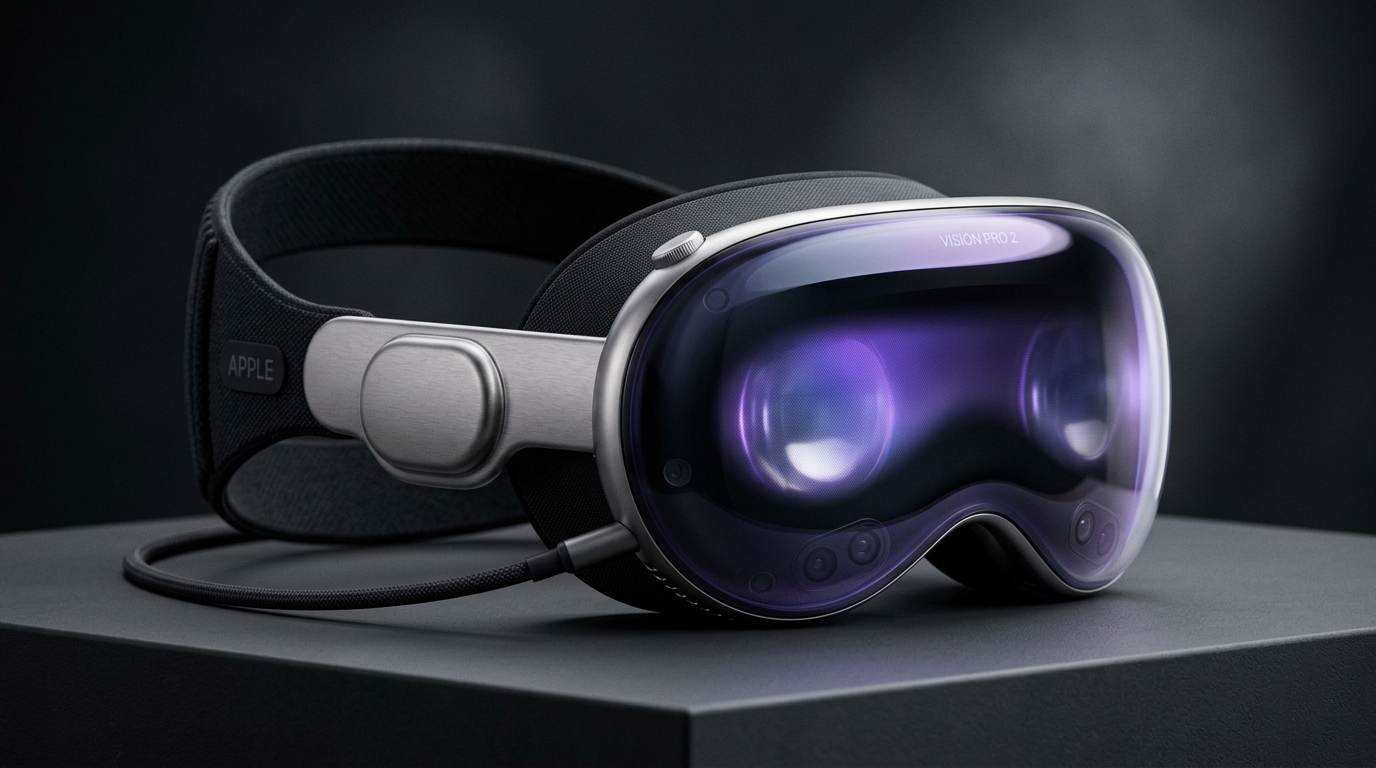
Apple Vision Pro

Meta Quest 3
Which Device Wins and for Whom?
For professional spatial developers, media purists, and executive multitasking requiring 4K virtual Mac displays, Apple Vision Pro remains unmatched. For 95% of consumers, gamers, fitness enthusiasts, and collaborative teams, Meta Quest 3 is by far the superior practical purchase.
Side-by-Side Specification Matrix
Empirical technical comparisons with advantage markers.
| Metric / Specification | Apple Vision Pro | Meta Quest 3 |
|---|---|---|
| Display Resolution | 3660x3200 per eye (4K micro-OLED) Advantage | 2064x2208 per eye (LCD) |
| Refresh Rate | 90Hz / 96Hz / 100Hz | 90Hz / 120Hz Advantage |
| Passthrough Latency | 12ms photon-to-motion (R1 chip) Advantage | 35-40ms photon-to-motion |
| Controllers | None (Eye & hand tracking only) | Touch Plus 6DoF Controllers + Hand tracking Advantage |
| Battery Configuration | External tethered battery pack (2.5 hrs) | Internal battery (2.2 hrs, zero wires) Advantage |
| Weight & Comfort | 650g (forward heavy balance) | 515g (balanced) Advantage |
Ready to explore available hardware?
Discover verified listings with physical inspection and transparent pricing.